Utility yards face some of the heaviest and most physically demanding materials in any industrial operation. Wooden poles stretching 30 to 90 feet, weighing hundreds of pounds apiece, need to be stored, sorted, and dispatched with precision every single day. When that storage process lacks structure, the yard itself becomes the hazard. Poles shift without warning. Workers operate near unstable ground stacks. Heavy equipment moves through congested spaces without reliable sightlines. The accidents that follow are rarely minor.
Choosing the right pole rack system for your utility yard is not simply an organizational decision. It is a direct investment in worker safety, operational reliability, and the kind of consistent, predictable environment that good crews depend on to do their jobs without unnecessary risk.
The Hazards of Unstructured Pole Storage
Ground-stacked poles represent one of the most consistently underestimated risks in a utility yard. A single pole that rolls from a pile can injure a crew member in seconds, and on soft, wet, or uneven ground, that risk climbs sharply. When poles are arranged without a proper system, workers have no reliable way to pull a specific class or length without disturbing the rest of the inventory. That disruption is where most yard injuries actually happen, not during the heavy lifts that everyone plans around, but during the small, improvised adjustments that workers are forced to make when the storage system puts them in awkward positions.
Congestion makes the situation worse at every level. When storage areas are unorganized, crews and forklifts share tight corridors where neither can move freely or predictably. Inventory tracking degrades into guesswork, leading to unnecessary handling, repeated repositioning, and more opportunities for something to go wrong. Every avoidable handling event adds a layer of risk that simply did not need to exist in the first place.
How Pole Rack Systems Address the Core Safety Problems
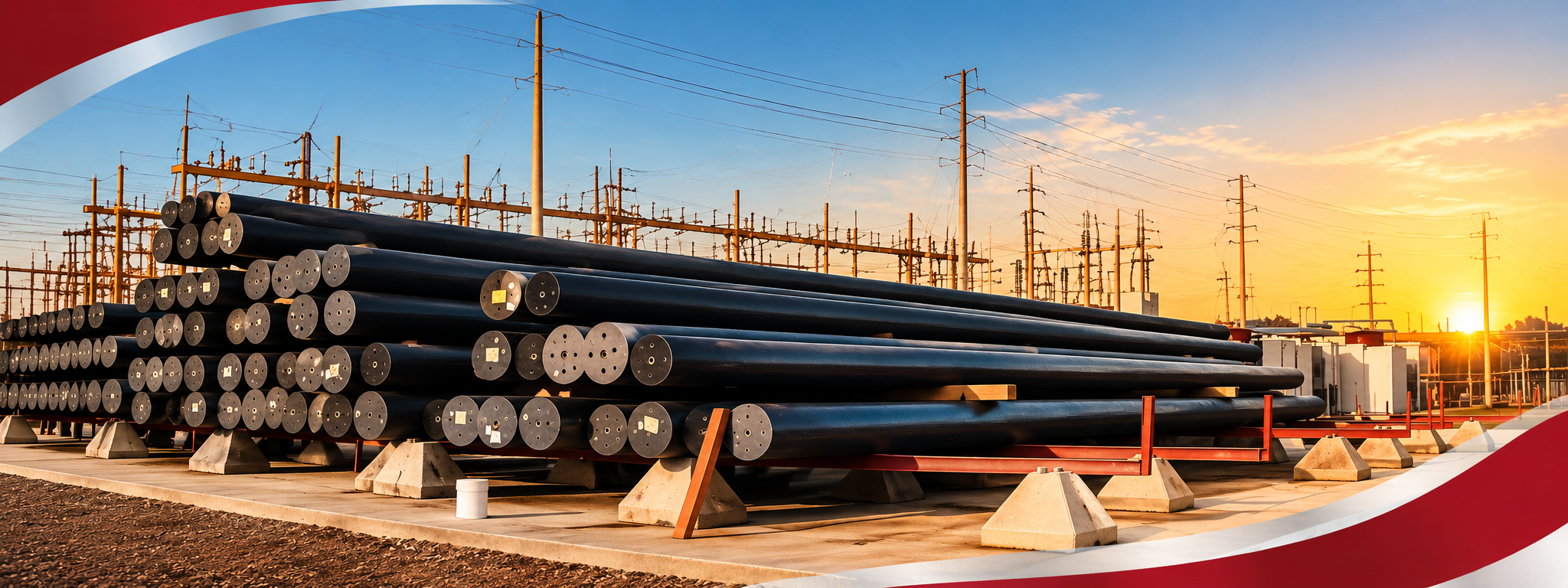
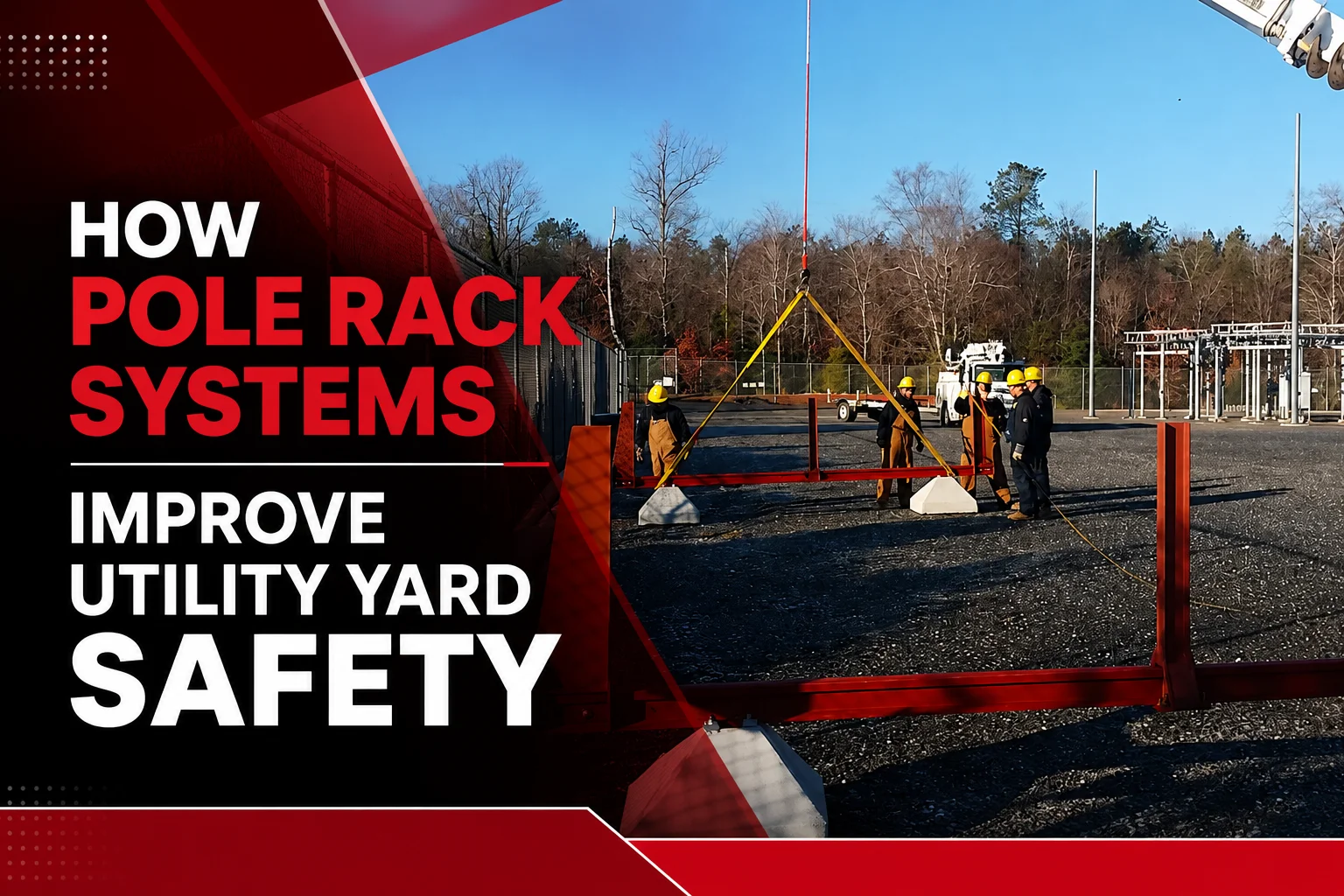
Properly installed pole rack systems and utility yard configurations solve several of these hazards at once. Poles rest in fixed, stable positions. They do not roll or shift when a neighboring pole is removed from the rack. Crews can pull from a designated point without disturbing surrounding inventory, which eliminates a major source of unplanned handling risk that ground stacking consistently creates.
Documented load ratings make a concrete difference here. A rack with accurate, tested specifications, used consistently within those limits, replaces the informal judgment calls that tend to produce overloaded or unstable storage conditions. When crews are trained on rack specifications and yard supervisors hold them accountable, the operation runs with consistent safety margins rather than shifting ones that depend on who happened to load the rack last.
Clearance becomes predictable as well. With poles elevated off the ground and contained within a defined footprint, forklift operators and crane crews can plan their movements with confidence. No poles are scattered across travel paths, and no crew members are standing near active load operations to redirect equipment around loose inventory. The yard becomes a place where work follows a pattern, and reliable patterns are exactly what safety programs prioritize. This aligns with OSHA’s emphasis on proper material storage and secure stacking practices as part of overall workplace safety.
Why Pole Yard Design Sets the Foundation
A quality rack system delivers its full safety value only when the environment around it is set up to support it. This is where thoughtful pole yard design becomes the deciding factor. A rack positioned on the ground that pools water after rain becomes a stability problem during the next wet season. A rack placed directly in a forklift travel path cancels out the clearance benefits the rack was purchased to create.
Getting the yard design right before the rack is installed means thinking carefully about drainage, ground preparation, traffic flow separation, and the clear division of storage zones from active work areas. When those elements are aligned, the safety benefits of the rack compound rather than competing with each other. The equipment performs its intended function because the yard was designed to let it.
How Portable Pole Racks Improve Safety at Temporary Utility Job Sites
Safety requirements do not stop at the edge of a permanent facility. Emergency response operations, storm restoration staging areas, and temporary job sites all present working conditions that can be just as hazardous as a main yard, sometimes more so. Uneven terrain, compressed timelines, and crew fatigue combine in ways that make proper storage discipline harder to maintain and more critical at the same time.
During storm restoration operations, utilities often set up temporary staging yards that process large volumes of replacement poles within a short time. Portable pole racks help separate inventory by class and length while maintaining safe access routes for forklifts, cranes, and delivery vehicles.
Many portable pole racks bring the same structural storage principles of a permanent yard into the field. Poles stay stable, inventory stays organized, and crews can pull what they need without creating a secondary hazard in the process. The predictability that rack systems deliver in a controlled yard setting carries directly into a temporary staging area, and in conditions where crews are already working under real pressure, that predictability has genuine safety value.
Why Certified Inspectors Are Essential for Pole Rack Safety
Installing a rack correctly is the starting point, not the ending point. Steel contact points develop corrosion over time. Load-bearing welds accumulate stress across repeated cycles. Anchor hardware loosens gradually and rarely announces itself before it becomes a structural concern. Racks that looked sound during installation can develop serious wear that only becomes visible to someone who knows what to look for.
This is where certified inspectors are valuable. A scheduled inspection program catches deterioration before it leads to a failure during an active operation. Formal documentation from those inspections gives yard managers something actionable to work from rather than assumptions they have to rely on instinct for. It also helps demonstrate that rack systems are being maintained according to manufacturer recommendations and internal safety standards. The cost difference between a professional inspection and a field incident involving a compromised rack is not a close comparison.
Working Towards a Safer Utility Yard
Pole rack systems and utility yard setups that are designed well, correctly rated, consistently operated, and regularly inspected provide a safer alternative to unstructured storage. The hazards in a utility yard are real, but they are also predictable. Predictable hazards respond to systematic solutions, and the combination of quality equipment, smart layout, portable flexibility for field operations, and consistent professional oversight is precisely that kind of solution.
CMS Utility Services works with utility companies across the country to develop rack systems and yard configurations built to fulfill operational demands. With four decades of experience across both permanent yard installations and emergency field deployment, the team brings the kind of practical knowledge that turns a general commitment to safety into a yard that operates that way on the ground every single day.
Frequently Asked Questions
- What makes pole rack systems safer than ground stacking in a utility yard?
Ground stacking poles exposes your crew to rolling and unexpected shifting with every pick. Pole rack systems hold each pole in a fixed, stable position, so your forklift operators and crane crews always know what to expect before they move. They also create a defined storage footprint, which keeps travel paths clear and reduces equipment conflicts across your yard. The result is a meaningful reduction in daily handling risk for everyone working at your site.
- How often should pole rack systems be professionally inspected?
If your racks see regular use, schedule a formal evaluation from certified inspectors at least once a year. Yards in coastal environments, harsh weather zones, or active emergency response rotations wear through systems faster, so more frequent assessments make sense for those conditions. Catching wear early costs far less than managing a failure mid-operation when your crew needs the equipment most.
- Do portable pole racks carry the same load ratings as permanent installations?
Quality portable rack systems are built to documented load ratings, the same as permanent yard installations. The key steps are selecting a system rated for the specific pole sizes and classes your crew stores, getting those ratings confirmed in writing, and training your field crews to stay within those limits regardless of job pressure or pace. Portability done right does not mean a compromise in safety.